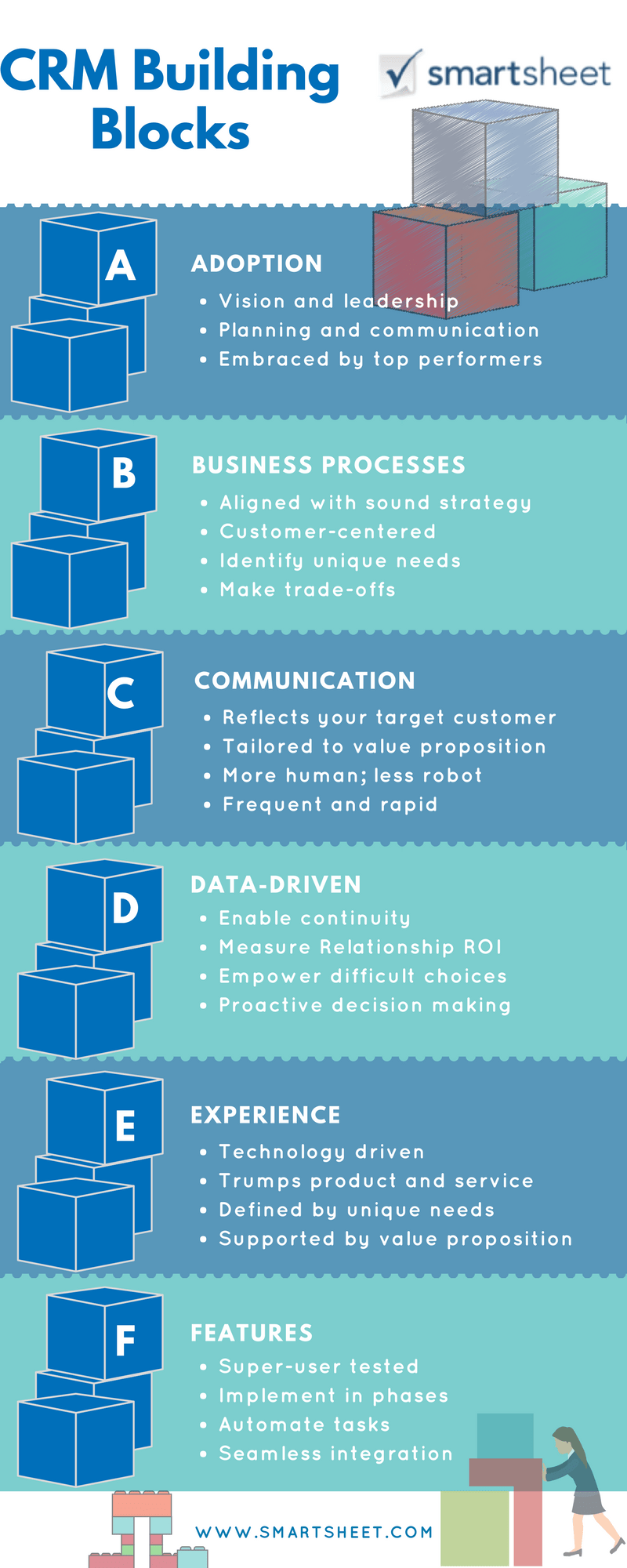
Introduction: The Psychology of Relationship Management in Real Estate
In the dynamic world of real estate, client relationships are the cornerstone of success. Unlike other industries, real estate transactions are deeply personal and often emotive, involving significant financial and emotional investments. The psychology behind relationship management in real estate is rooted in trust, empathy, and effective communication. As a real estate professional, understanding these psychological aspects can transform your approach from merely transactional to genuinely relational.
The journey of buying or selling a home is laden with emotions, ranging from excitement to anxiety. Buyers and sellers seek real estate agents who not only understand the market but also empathize with their emotional journey. This is where the concept of relationship management becomes crucial. Building rapport, maintaining open lines of communication, and showing genuine interest in clients' needs and aspirations not only enhance client satisfaction but also foster loyalty and referrals.
By leveraging strategic relationship management techniques, real estate agents can position themselves as trusted advisors rather than mere service providers. This guide will delve into the essential strategies and tools necessary to cultivate and maintain strong client relationships in the real estate sector.
Why the Database is a Real Estate Agent's Biggest Asset
A well-maintained database is arguably the most valuable asset for any real estate agent. It acts as the backbone of your client relationship management strategy. The database not only stores client information but also provides insights into client behavior and preferences. By effectively managing your database, you can personalize interactions and anticipate client needs, which are pivotal for building strong relationships.
Consider your database as a living entity that requires regular updates and nurturing. An outdated or poorly maintained database can lead to missed opportunities and hinder your ability to connect with clients effectively. Therefore, investing time and resources in keeping your database current is critical. This involves regularly updating contact information, recording interactions, and noting preferences and transaction history.
Advanced CRM tools, such as DealNest, offer sophisticated features that simplify database management. These tools provide real-time data analysis and client insights, enabling you to tailor your communication and marketing efforts effectively. With a robust database, you can identify patterns and trends, which can inform your strategy and help you stay ahead of the competition.
Step 1: Segmenting Your Real Estate Sphere of Influence
Segmenting your real estate sphere of influence is a fundamental step in client relationship management. It involves categorizing your contacts into distinct groups based on specific criteria, allowing you to tailor your interactions and marketing efforts accordingly. Segmentation not only enhances communication but also improves client engagement and retention.
Begin by identifying your core segments, which could include past clients, current leads, referral sources, and potential buyers. Once identified, analyze the characteristics and needs of each segment. For instance, past clients may require different communication strategies compared to new leads. Tailoring your approach to each segment increases the relevance and effectiveness of your interactions.
Tools like DealNest offer robust segmentation capabilities, allowing you to categorize and manage your contacts efficiently. By leveraging these tools, you can create targeted marketing campaigns and personalized communication strategies that resonate with each segment.
Moreover, segmentation allows for better resource allocation. By understanding which segments are most valuable, you can prioritize your efforts and ensure that you focus on the relationships that offer the highest potential for growth and referrals. This strategic approach not only optimizes your time and resources but also enhances your overall client relationship management strategy.
Step 2: Automation vs Personalization in Real Estate Client Outreach
In the realm of real estate client outreach, striking the right balance between automation and personalization is crucial. Automation can streamline processes and increase efficiency, while personalization fosters stronger client connections. Understanding when and how to use each approach is key to effective client relationship management.
Automation tools, such as email marketing platforms and CRM systems, can handle repetitive tasks like sending newsletters, reminders, and follow-up emails. These tools save time and ensure consistent communication with your client base. However, over-reliance on automation can lead to generic interactions that lack the personal touch clients value.
Personalization, on the other hand, involves customizing your communication to reflect the unique preferences and needs of each client. This could include personalized messages, tailored property recommendations, or customized market reports. Personal interactions demonstrate your commitment to understanding and addressing the specific concerns of your clients, thereby building trust and loyalty.
The key is to use automation to handle routine tasks while reserving personalization for high-impact interactions. For example, automate appointment reminders but personalize follow-up emails after a property viewing. Tools like DealNest provide features that blend automation with personalization, allowing you to maintain efficiency without sacrificing the personal touch.
Step 3: Leveraging Real Estate CRM Data for Predictive Follow-Ups
Predictive follow-ups are a powerful strategy for enhancing client relationship management in real estate. By leveraging CRM data, real estate professionals can anticipate client needs and proactively engage with them at the right time. This approach not only strengthens client relationships but also increases the likelihood of successful transactions.
CRM systems store vast amounts of data, including client interactions, preferences, and transaction history. Analyzing this data can reveal patterns and trends, enabling you to predict when a client might be ready to buy or sell. For instance, if a past client frequently views listings in a particular neighborhood, it may indicate an interest in purchasing a property there.
By utilizing predictive analytics, you can schedule timely follow-ups and provide relevant information that aligns with your clients' needs. This proactive approach demonstrates your attentiveness and commitment to serving your clients, thereby enhancing their experience and satisfaction.
Advanced CRM solutions, like DealNest, offer predictive analytics capabilities that simplify this process. These tools analyze client data and provide actionable insights, enabling you to prioritize leads and tailor your follow-up strategies effectively. By capitalizing on predictive follow-ups, you can stay ahead of the competition and foster long-lasting client relationships.
Case Study: How Top Real Estate Teams Use DealNest to Drive Referrals
Top real estate teams understand the importance of leveraging technology to enhance client relationship management. One such team, operating in a competitive urban market, adopted DealNest to optimize their client management strategy and drive referrals.
Initially, the team faced challenges in managing a growing database and maintaining consistent communication with clients. By integrating DealNest, they streamlined their processes, enabling them to segment their contacts effectively and automate routine tasks. This allowed the team to focus on high-value interactions and personalized outreach.
The results were remarkable. Within six months, the team reported a 30% increase in referrals and a 20% improvement in client retention rates. By utilizing DealNest's predictive analytics, they identified potential referral sources and tailored their communication strategies, resulting in more engaged clients and a steady stream of referrals.
This case study highlights the transformative impact of adopting advanced CRM tools like DealNest in real estate client relationship management. By optimizing processes and enhancing client engagement, real estate professionals can achieve sustainable growth and success.
Future Trends: AI-Driven Relationship Intelligence in Real Estate
The future of real estate client relationship management lies in AI-driven relationship intelligence. As artificial intelligence continues to evolve, it offers new opportunities for real estate professionals to enhance their client management strategies.
AI technologies can analyze vast amounts of data and provide insights that were previously unattainable. For instance, AI-powered tools can predict client behavior, identify potential leads, and even suggest personalized marketing strategies. This level of intelligence enables real estate professionals to make data-driven decisions and engage with clients more effectively.
Moreover, AI-driven chatbots and virtual assistants can handle routine inquiries, freeing up valuable time for real estate agents to focus on building relationships. These tools provide instant responses to client queries, enhancing the overall client experience and satisfaction.
As AI technology continues to advance, it will play an increasingly significant role in shaping the future of real estate client relationship management. By embracing these innovations, real estate professionals can stay ahead of the curve and deliver exceptional value to their clients.
Conclusion: Moving from Transaction-Focused to Relationship-Driven Real Estate
In conclusion, shifting from a transaction-focused to a relationship-driven approach is essential for success in the real estate industry. By prioritizing client relationships and leveraging advanced CRM tools, real estate professionals can build trust, foster loyalty, and drive referrals.
As you embark on your journey to enhance client relationship management, remember that the key lies in understanding your clients' needs and delivering personalized experiences. By adopting the strategies outlined in this guide and utilizing tools like DealNest, you can create lasting relationships that drive long-term success.
Ready to take your client relationship management to the next level? Try DealNest today and experience the difference it can make in your real estate business.
Frequently Asked Questions
What is the importance of client relationship management in real estate?
Client relationship management is crucial in real estate as it builds trust and fosters loyalty, leading to repeat business and referrals. It involves understanding client needs, personalizing interactions, and maintaining consistent communication.
How can I segment my real estate sphere of influence?
Segment your contacts based on factors such as transaction history, preferences, and engagement level. Use CRM tools to categorize and manage your segments effectively, allowing for targeted marketing and personalized communication.
What role does automation play in real estate client outreach?
Automation streamlines routine tasks like sending newsletters and reminders, ensuring consistent communication. However, it should be balanced with personalization to maintain the personal touch clients value.
How can predictive analytics enhance client relationship management?
Predictive analytics leverage CRM data to anticipate client needs and schedule timely follow-ups. This proactive approach demonstrates attentiveness and improves client satisfaction and engagement.
What are the benefits of using AI in real estate client management?
AI provides insights into client behavior, identifies potential leads, and suggests personalized marketing strategies. It enhances decision-making and frees up time for agents to focus on building relationships.